You are not lazy: why you go to bed too late on purpose

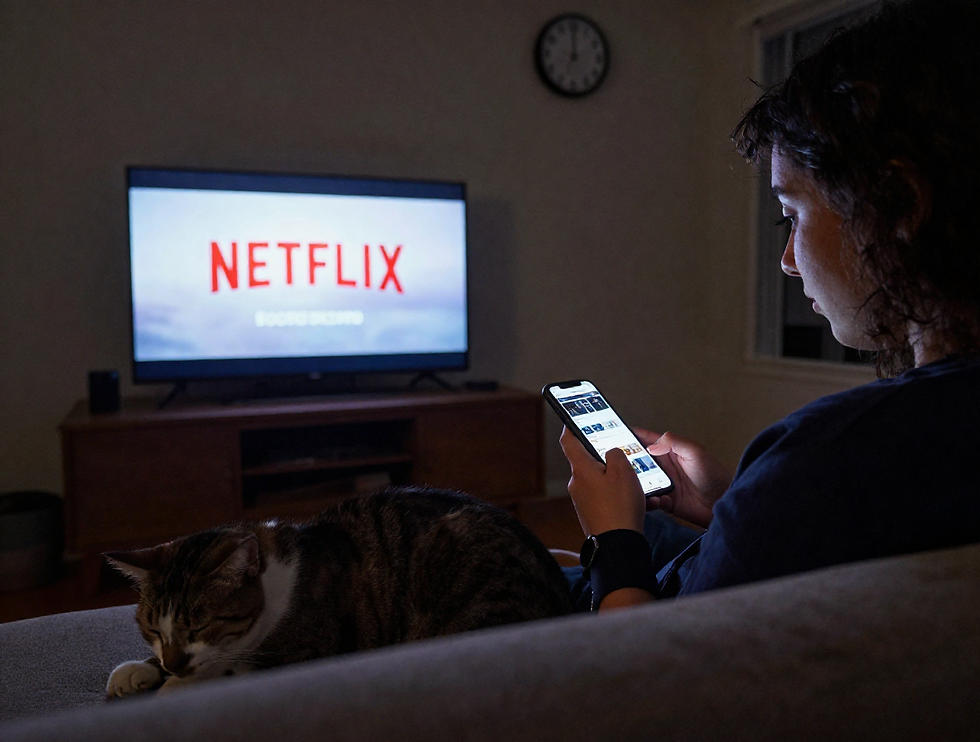
The hands of the clock are heading towards midnight. You know you are tired. A tough day awaits you tomorrow. Yet you stream just one more episode. Or you mindlessly open Instagram, as if there is something there you absolutely *must* find today. Not because you can't stop. But because you don't *want* to stop yet.
Perhaps you recognize this: your day revolved entirely around others. Work. Obligations. Conversations. Expectations. And this moment, late at night, feels like a part that is actually yours. This phenomenon is called revenge bedtime procrastination .
It is not about revenge, but restoration. From Self-Determination Theory, we know that people have three basic needs: autonomy, relatedness, and competence. And the first one, in particular, is often compromised during the day. What happens in the evening is not a lack of discipline. It is your brain saying: I haven't been allowed to choose enough for myself today. I am seizing my moment.
Making space for yourself during the day
So the problem arises during the day. As long as your days are filled with obligations, your evenings remain filled with procrastination. That is why simple solutions like putting your phone away or going to bed a little earlier rarely work. What *does* work is making space for yourself earlier in the day. Not drastic changes, but small moments that are not productive, but entirely yours.
Consider:
15 minutes without a goal
A walk without a podcast
Doing something nobody cares about
When your brain has already felt that space has been made for yourself, it doesn't need to reclaim it in the evening.
Before you mindlessly stay hooked on another episode of your favorite series tonight or prepare for a final round of social media, ask yourself this question: am I really trying to relax, or am I trying to make up for something I lost during the day?


Comments